Powers of Ten- this was high tech when I was at school!
Since then a few things have moved on, not least with the physics as well as the graphics.
Orders of Magnitude
The class of scale or magnitude of any amount, where each class contains values of a fixed ratio (most often 10) to the class preceding it. For example, something that is 2 orders of magnitude larger is 100 times larger; something that is 3 orders of magnitude larger is 1000 times larger; and something that is 6 orders of magnitude larger is one million times larger, because 102 = 100, 103 = 1000, and 106 = one million
In its most common usage, the amount scaled is 10, and the scale is the exponent applied to this amount (therefore, to be an order of magnitude greater is to be 10 times, or 10 to the power of 1, greater).
Orders of magnitude are generally used to make very approximate comparisons and reflect very large differences. If two numbers differ by one order of magnitude, one is about ten times larger than the other. If they differ by two orders of magnitude, they differ by a factor of about 100. Two numbers of the same order of magnitude have roughly the same scale — the larger value is less than ten times the smaller value.
Source: Boundless. “Order of Magnitude Calculations.” Boundless Physics Boundless, 26 May. 2016. Retrieved 23 Jan. 2017 from https://www.boundless.com/physics/textbooks/boundless-physics-textbook/the-basics-of-physics-1/significant-figures-and-order-of-magnitude-33/order-of-magnitude-calculations-203-6080/
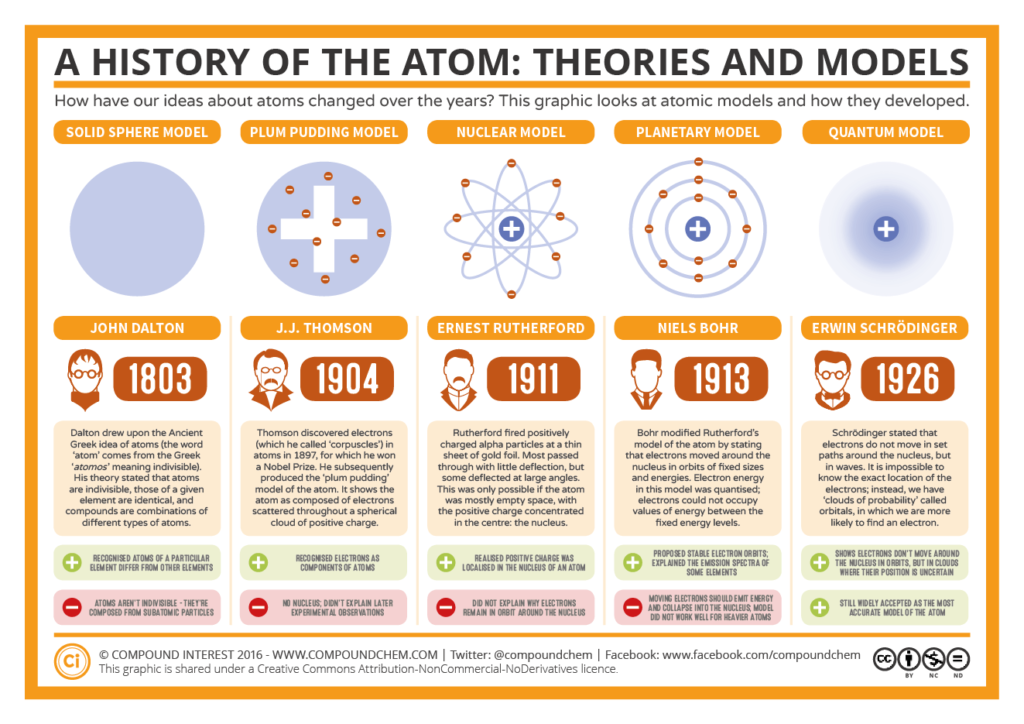
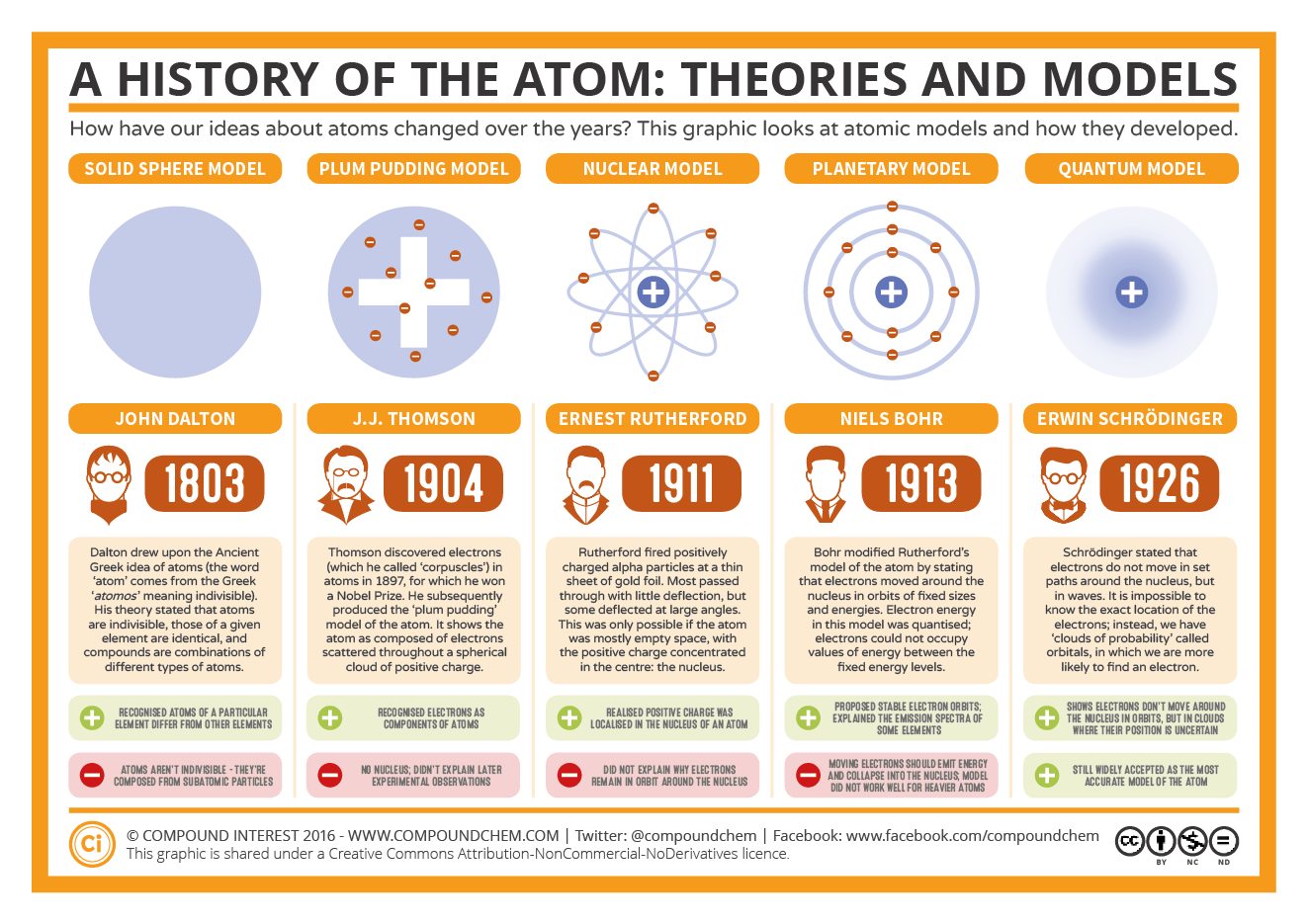
A proton is 3 orders of magnitude larger than a positron or electron.
Below are the updated 2019 versions. Currently the book is divided into the Standard Model, Forces and Particles and Nuclear Radiation in Part 1 and the waves part will be in part 2, which I have yet to finalise. If you want a colour copy, then you’re welcome to print it out at your own cost.on
P&W ANSWERS Now most of the notes are complete I can start working through the answers. I have got these in a jotter, but will plod through them as quick as I can. They are very slow to type up in equation editor.
…and finally the Particles and Waves book 2 is finished.
Particles and Waves Knowledge Organiser P1
Particles and Waves


Additional Resources- take your pick
Introduction to Particle Physics
The following two documents are a wonderful summary of the Particles and Waves topic from the Revised Higher course courtesy of George Watson’s College, which is very much the current CfE Higher Course.
Here’s a lovely little revision sheet on the Standard Model thanks to Mr Ian Cameron.
Standard Model IC word version
Standard Model IC pdf version
Below are some cracking resources from Sally Weatherly, find her here!
New for 2021 Powerpoints!
Revision and Orders of Magnitude
Orders of magnitude cut out base
The Standard Model
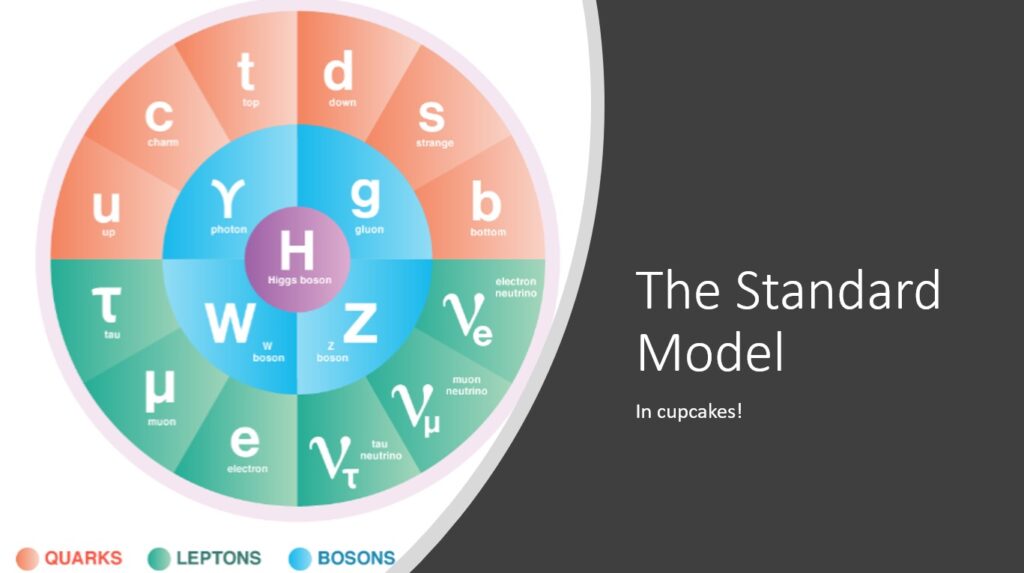
How to tell a MESON from a BARYON (Stewart, K (2017))
MESON- two syllables = 2 quarks (a quark and antiquark pair)
BARYON- three syllables = 3 quarks
Sorting the Fundamental Particles
#Higgs Boson
= fundamental particle, used by HiggsField 2 interact with other particles 2 give them m, causes particles to slow, ∴cannot reach c due to m.
found the ∴ sign 2022 is looking good
Charged Particles on Fields
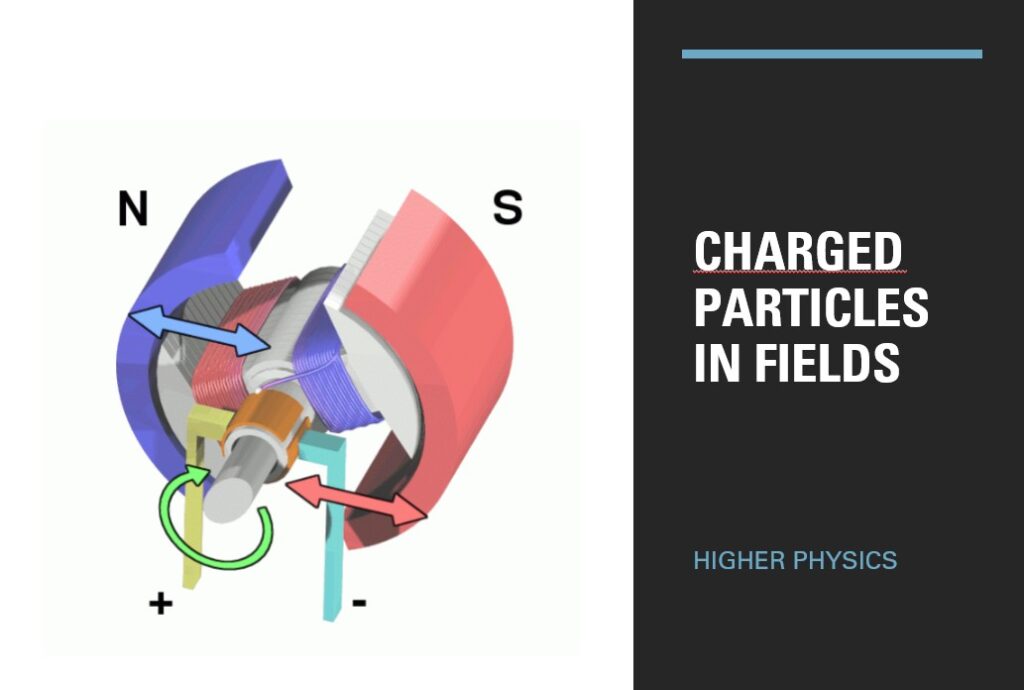
Particle Accelerators

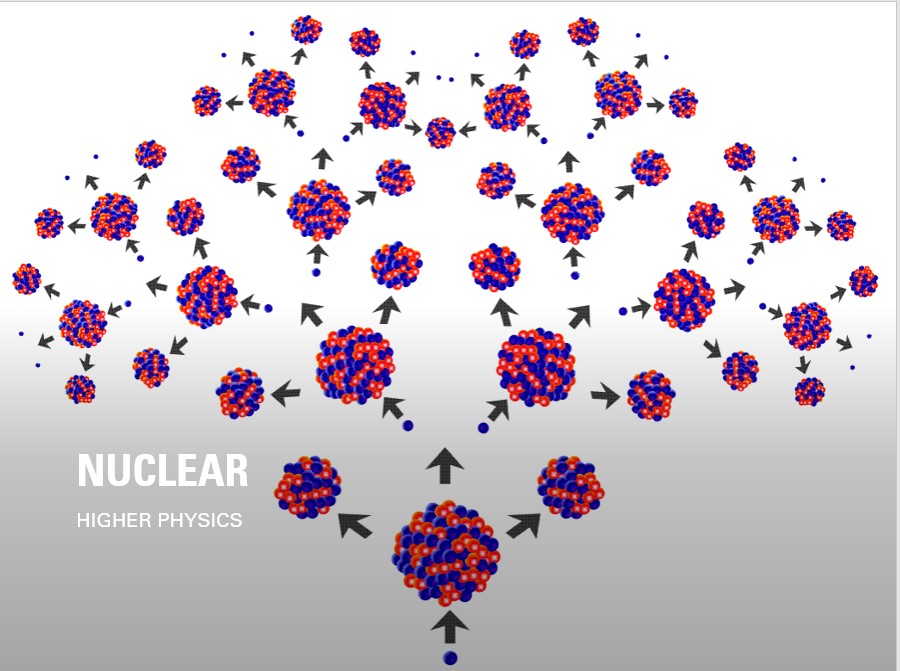
Nuclear
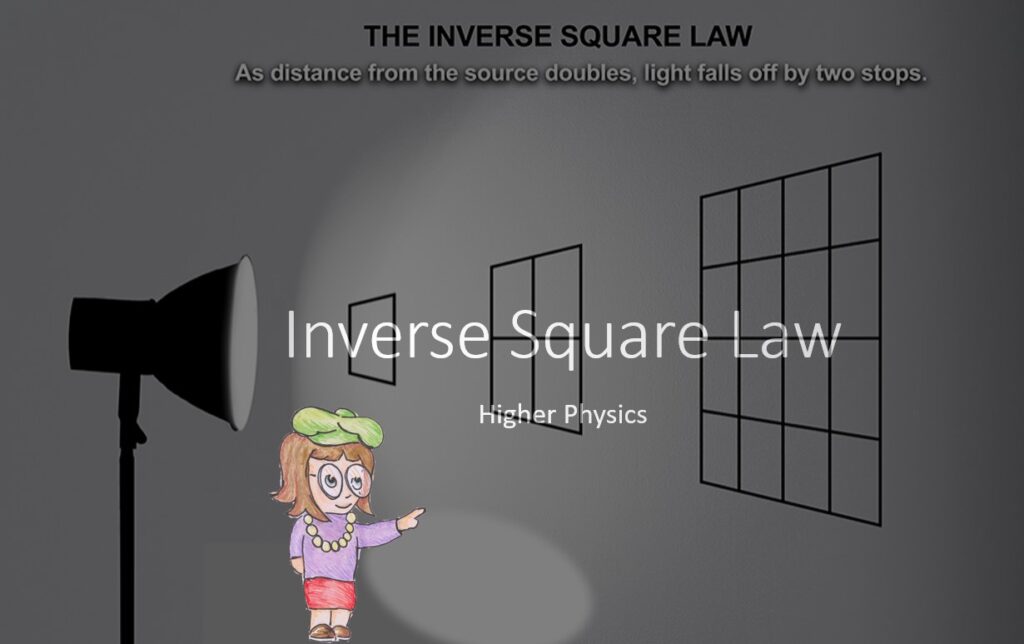
Inverse Square Law
Wave particle Duality
Interference
Spectra

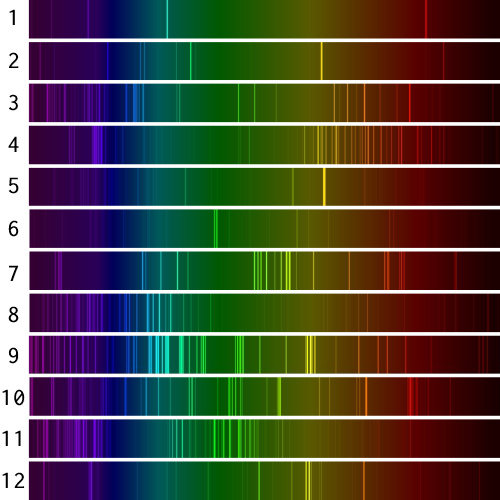
Line Spectra
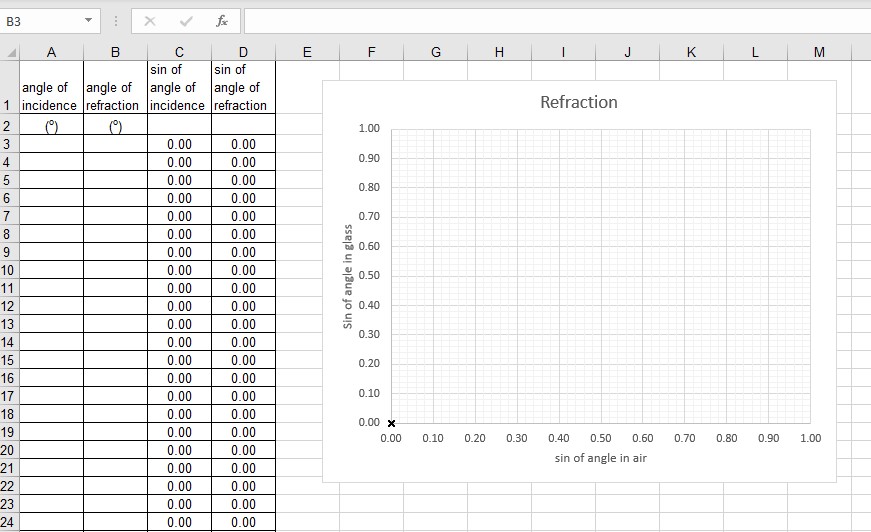
Refraction
I’ve had to split this as it is too big. The second part will appear after Friday
Other resources
quantum model of atom Mrs Physics’ model of energy level, to help you remember, not necessarily to teach you Physics!
quantum model of atom answers Mrs Physics’ model of energy level answers. Don’t look at these until you’ve tried them yourself!
| Revised AH Paper | YEAR | Marking Instructions | Exam Feedback |
|---|---|---|---|
| Rev 2015 | 2015 | MI 2015 | Report 2015 |
| Rev 2014 | 2014 | MI 2014 | Report 2014 |
| Rev 2013 | 2013 | MI 2013 | Report 2013 |
| READ THIS | MARK GUIDE |
Mrs Physics was given a tweet to do too. I think she did very well, exactly 140 characters with spaces!
Prof Aidan Robson (Glasgow University)
Hope no one gets to this stage!
It is not as Mrs B said Mrs H’s Bohring Model, but it is more like a Stewart method of remembering the Bohr model!
Photomultipliers- what the heck are they?
https://study.com/academy/lesson/how-photomultiplier-tubes-array-detectors-work.html
Simulations
Here are three links to some cracking simulations for this topic
https://www.cabrillo.edu/~jmccullough/Applets/Applets_by_Topic/Superposition_Interference.html
http://galileoandeinstein.physics.virginia.edu/more_stuff/Applets/rutherford/rutherford2.html
http://science.sbcc.edu/physics/flash/siliconsolarcell/bohratom.swf
PhET Interactive Simulations
University of Colorado Boulder
https://phet.colorado.edu
>
https://phet.colorado.edu/en/simulation/rutherford-scattering
Anderson High school Shetland Notes
With grateful thanks to Ms Nancy Hunter from Anderson High School in Shetland. Apparently these have been voted as the best Higher notes.
Online simulations
There is a great simulation from Phet Colorado Physics. It is fantastic and we must support this great site.
https://phet.colorado.edu/en/simulation/photoelectric
PhET Interactive Simulations
University of Colorado Boulder
https://phet.colorado.edu
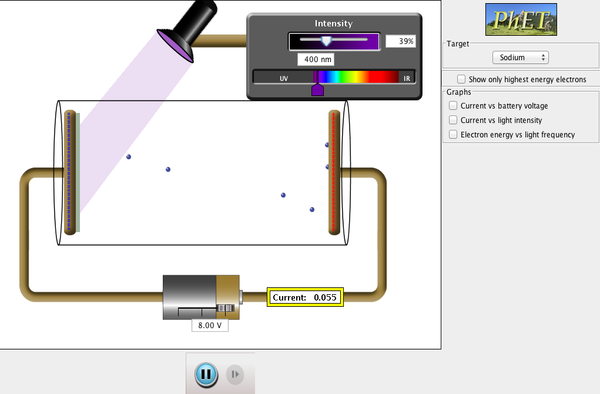
| Click to Run |
This is a great little introduction to Chapter 7 Interference and Diffraction.
A great poster from NPL- measurements are in their care! The poster shows how time keeping has got more and more precise.
Scholar Notes


Mrs Physics
Updated January 2022