
Properties of Matter N5 Resources

Hi crew, I hope you find something useful here for your N5 Properties of Matter Topic. There are mindmaps of each section, learning outcome questions with fully worked answers, videos, questions etc. It isn’t the topic with the most resources.  Get in touch below if I am missing something.

Another great song from Johnny Berliner

Not the best fit for a Properties of Matters song, but still lots of important material here. An explanation that the temperature of a material is a measure of the average Ek of its particles.

NASA does Boyle's Law

An image of a screen shot from NASA's Animated Gas Lab

A very basic animation of Boyle’s Law

PhET does the Gas Laws

Change the mass, volume, pressure and temperature and see what happens to the other variables.

A comprehensive set of PROPERTIES OF MATTER notes for self study.

The front cover for the Properties of Matter Learning Outcome Questions

Resources to help you know your scalars from your Vectors

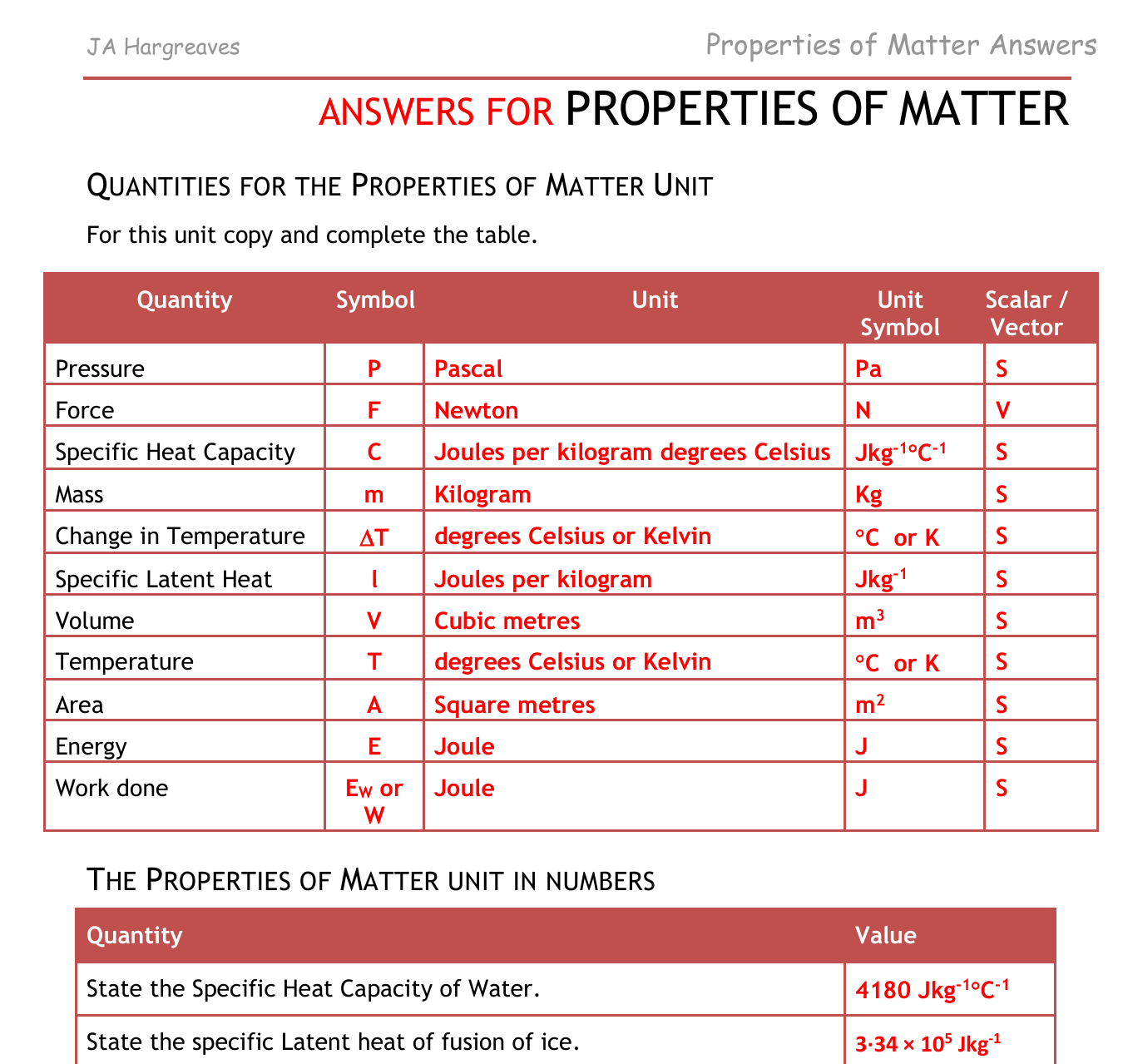
A front cover to the Answers to the Properties of Matter Learning Outcome Questions

The complete worked answers for the Learning Outcome Properties of Matter Learning Outcome Questions for self study, but don’t cheat.

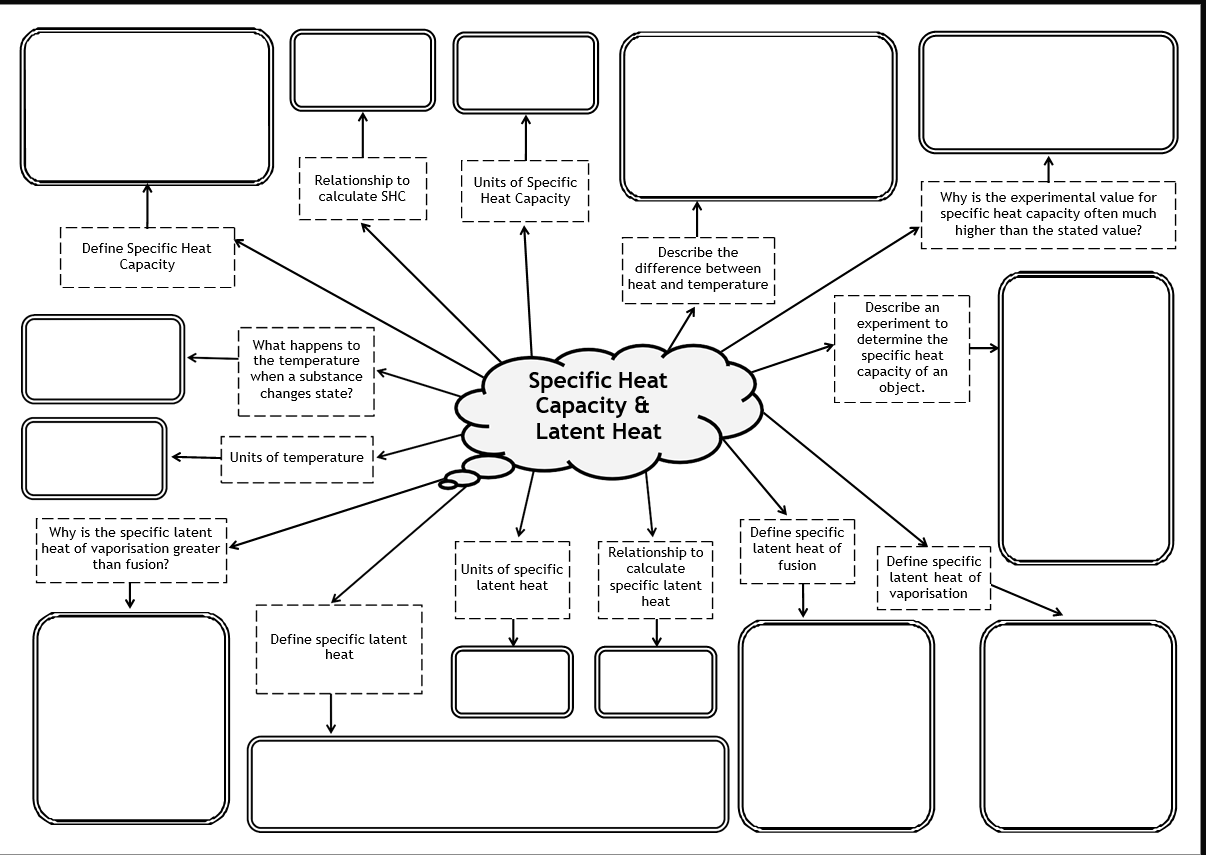
Three Mind Maps for the Properties of Matter Topic

A 2 page summary note, but missing the modern version of Boyles Law and Pressure law and A bright 2 page set of summary notes for this topic. NB Please add  “The length of the line for vaporisation should be longer than that for melting as more energy is required to change a liquid to a gas than a solid to a liquid.

A comprehensive set of HEAT notes for self study. Lovely colours and fill in the gaps. Loads of questions to practise.


A comprehensive set of notes for self study. Lovely colours and fill in the gaps. Loads of questions to practise.

A comprehensive set of notes for self study.


Resources to help you know your scalars from your Vectors.

A video on Specific Heat Capacity using John Sharkey’s excellent Flash Learning.

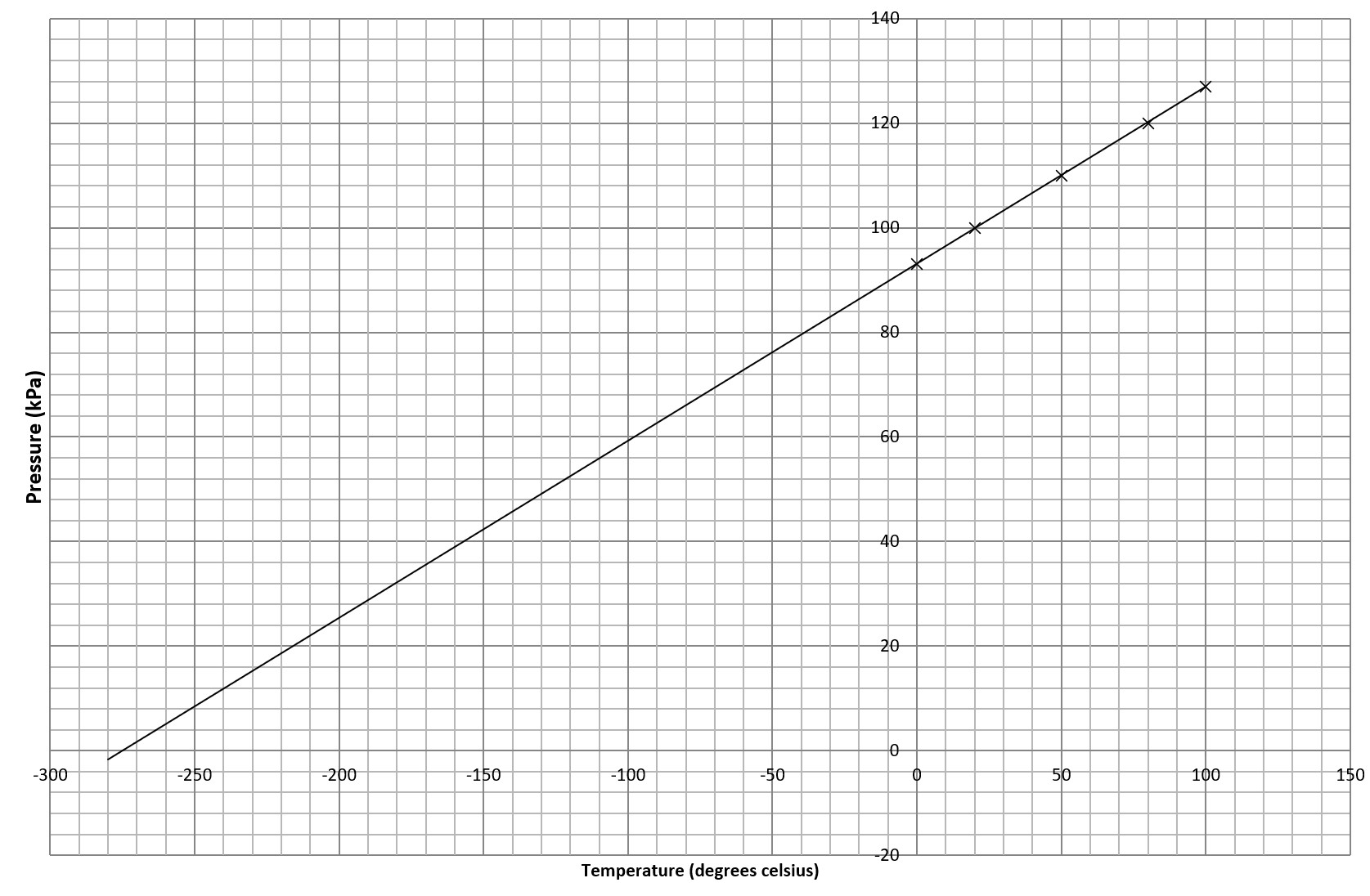
Gay-Lussac Law

A comprehensive set of notes for self study.


pressure v temperature (oC)

Resources to help you know your scalars from your Vectors

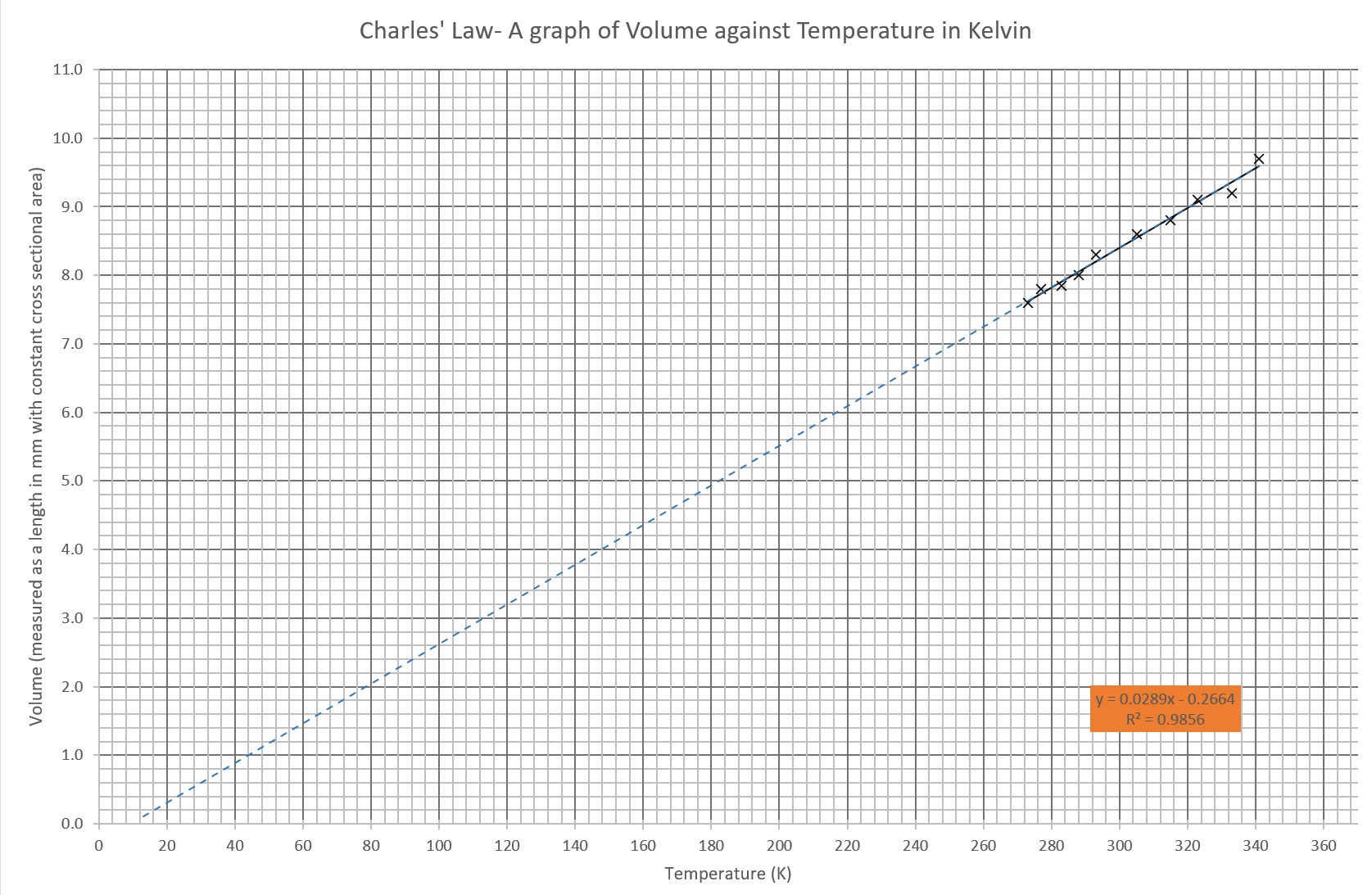
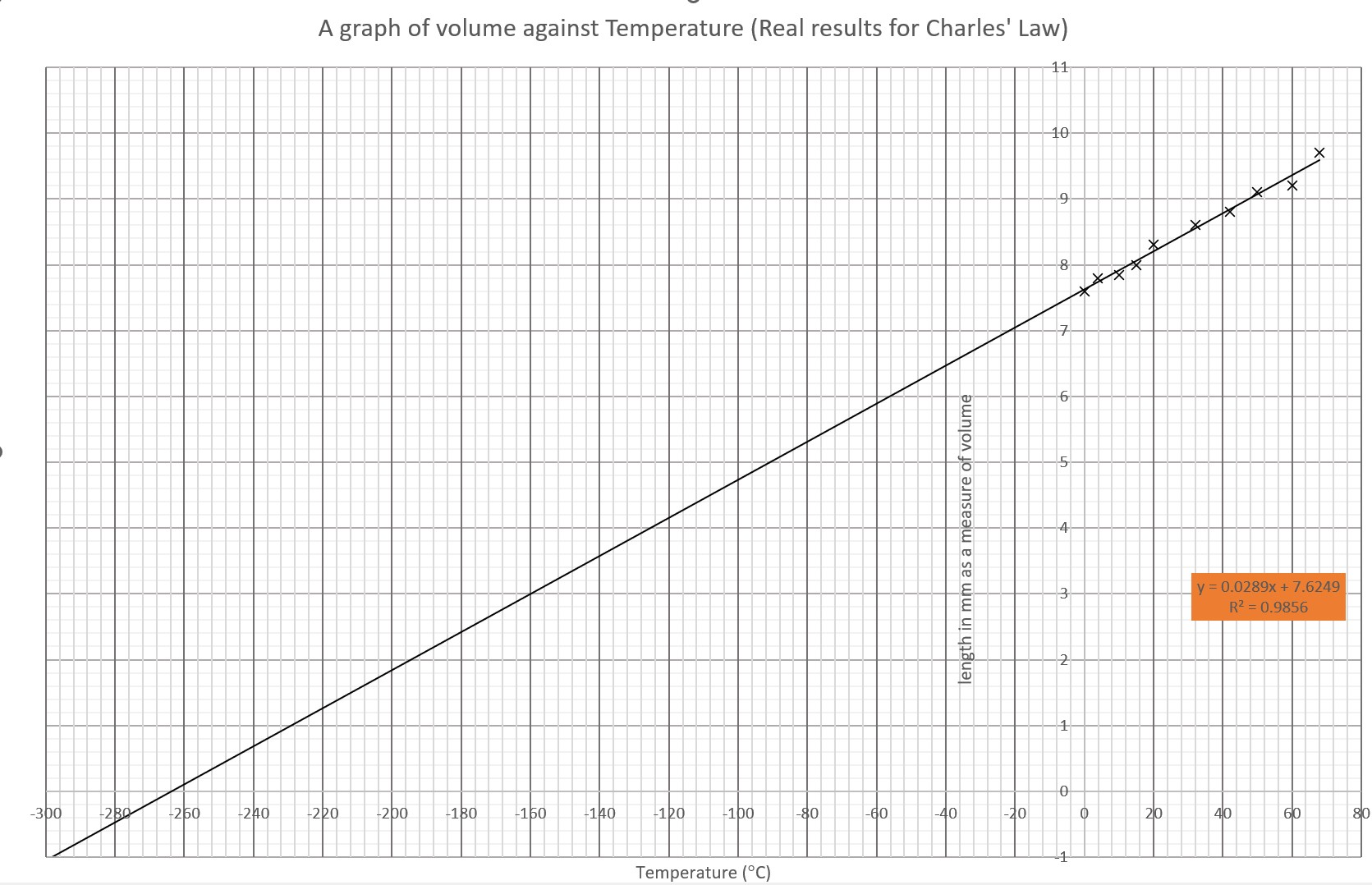
A single set of results for each of the gas laws, based on the results in Core Physics.

Charles' Law

A comprehensive set of notes for self study.


Volume v Temperaure (oC)

Resources to help you know your scalars from your Vectors

Delta Physics Link

A link to Mr Taylor’s excellent Delta Physics where you can use an app to test your learning.

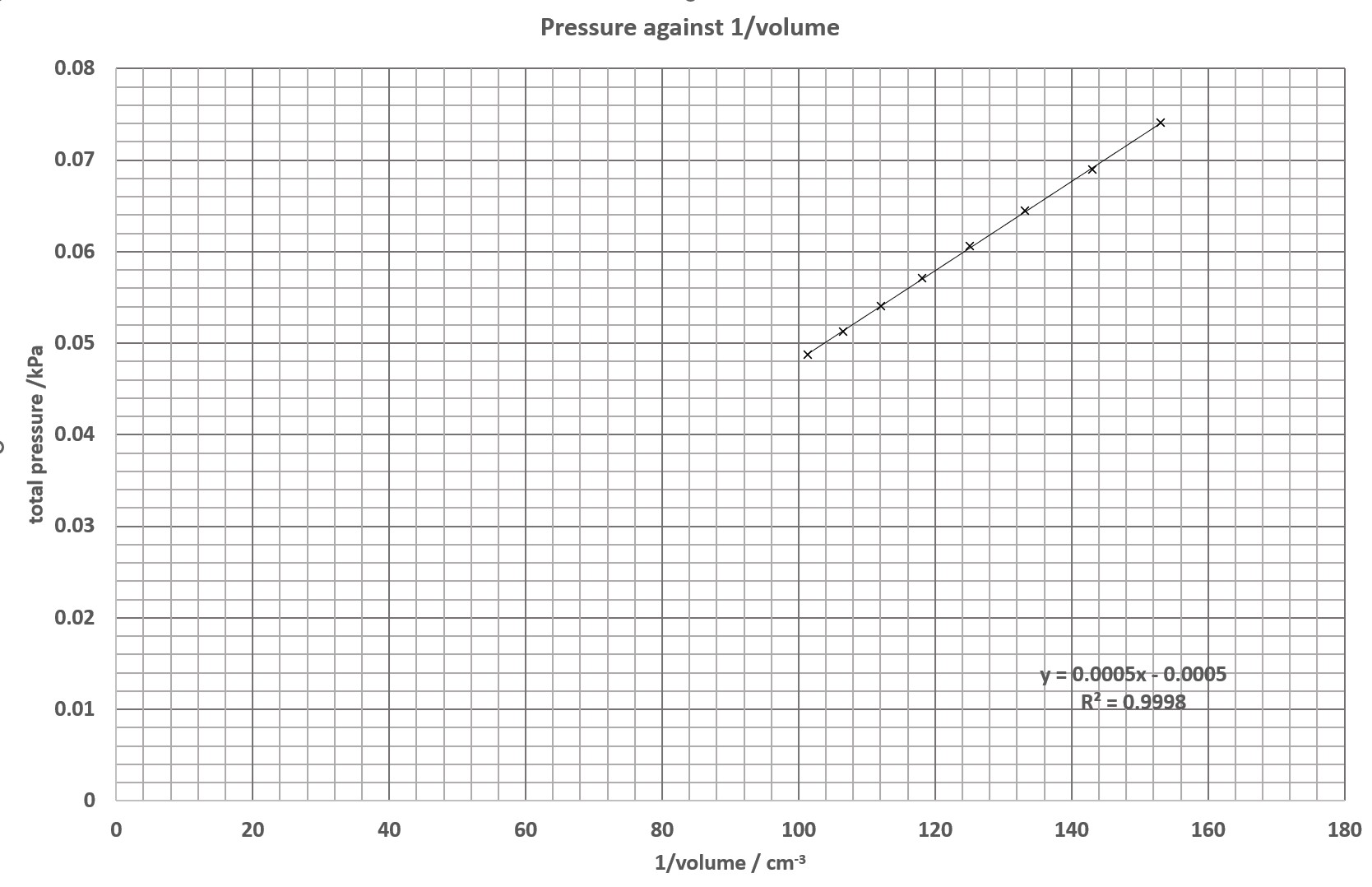
Pressure v Volume

A comprehensive set of notes for self study.

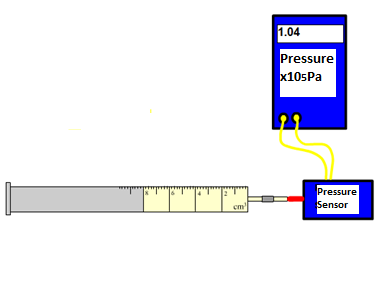
Digital Boyles Law apparatus

Boyle's Law

Resources to help you know your scalars from your Vectors

Boyles Law with analogue apparatus

An excel sheet containing results for each of the gas laws. The graphs aren’t in QS style, missing small crosses, good labels and major gridline.

Dynamics Notes

A comprehensive set of notes for self study.


Isaac Physics- online Practice

Resources to help you know your scalars from your Vectors

Front cover for the powerpoint delivered by Matthew Burke and Mrs Physics 4th Nov 2025

IOP Properties of Matter ppp for a talk delivered by Mr Burke and Mrs Physics. Maybe more suitable for new teachers.

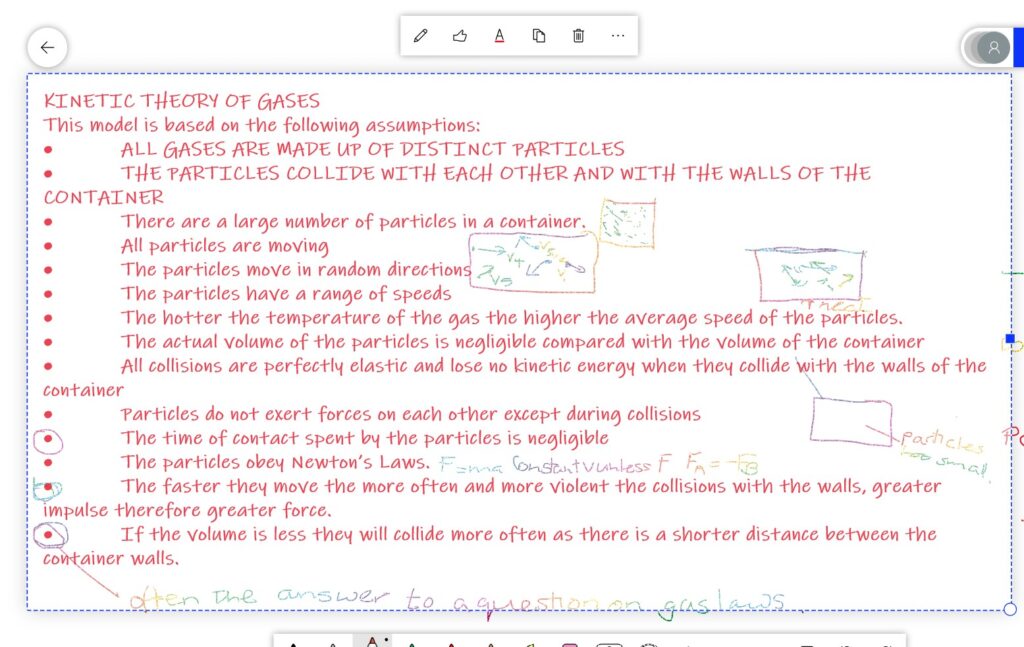
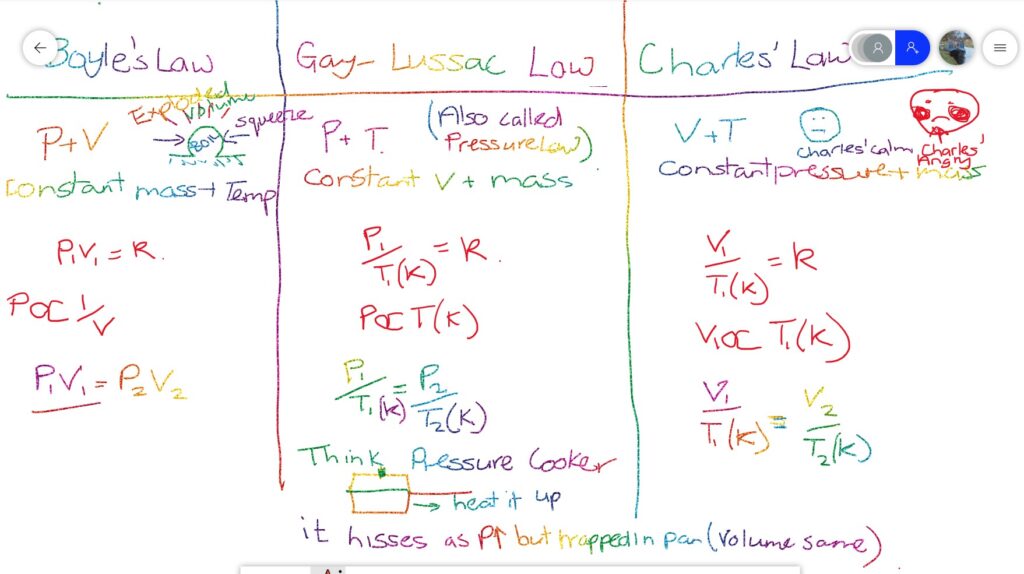
A scribble from an online lesson. The last 2 comments are perfect answers for those “Explain using the kinetic model of gases….” questions.
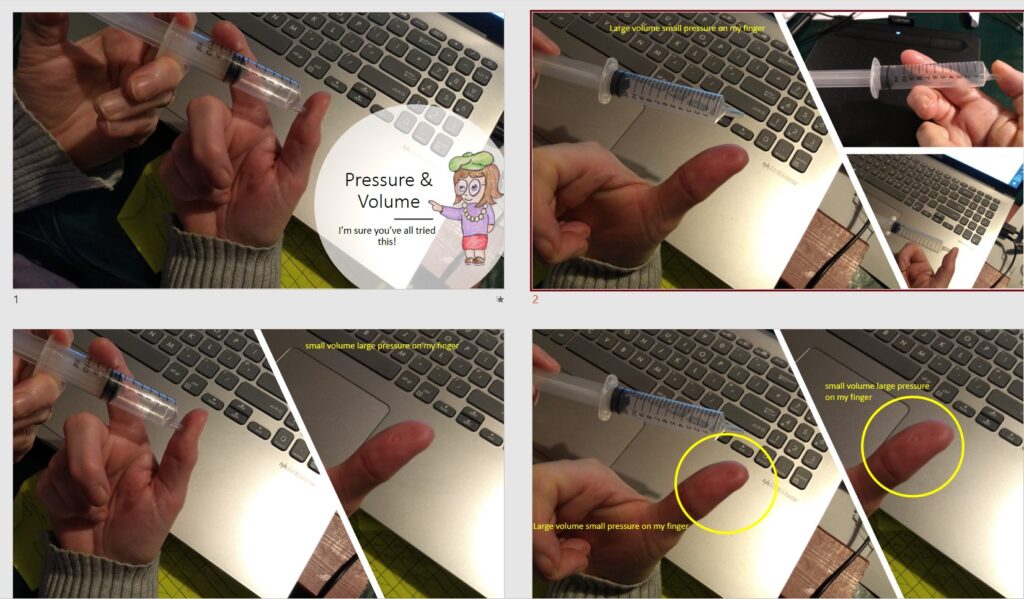
Using a simple syringe will remind you of Boyle’s Law, if you reduce the volume pressure increases. I know this as it really hurts my finger when I squeeze the gas into a smaller space or volume.
just some scribbles from an online lesson. We were trying to remember which law went with which rule and this is what we came up with BOYLE’s LAW. If you had a big BOIL and you add pressure by squeezing it the volume increases as it splatters all over the place! CHARLES’ LAW, we know this guy called Charlie and when he gets red hot his face swells up (volume increases with temperature) And GAY-LUSSAC law has been incorrectly attributed to him so we can put him in a pressure cooker (picture below) and increase the temperature. The volume is fixed so we know the pressure increases as the cooker makes a big hissing sound when it’s about to blow!
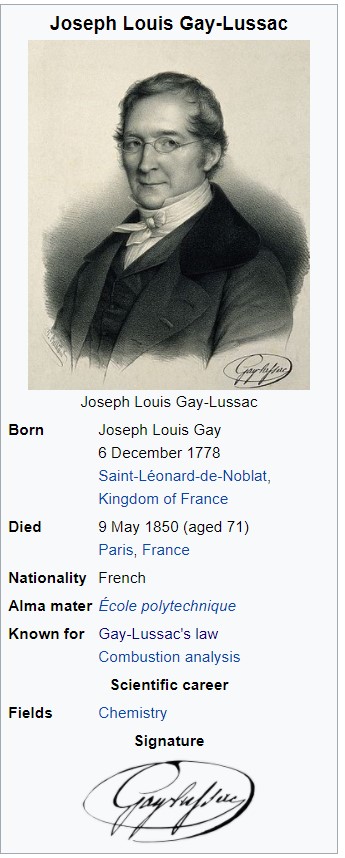
Courtesy of Wikipedia

Gay-Lussac is incorrectly recognized for the Pressure Law which established that the pressure of an enclosed gas is directly proportional to its temperature and which he was the first to formulate (c. 1809). He is also sometimes credited with being the first to publish convincing evidence that shows the relationship between the pressure and temperature of a fixed mass of gas kept at a constant volume.

Maybe for the deception he should be sent to Pressure Cooker!

A Pressure Cooker


These laws are also known variously as the Pressure Law or Amontons’s law and Dalton’s law respectively.
https://youtu.be/9mfq_wLWCCU?feature=shared
https://mrsphysics.co.uk/wp-content/uploads/2022/03/starter-questions.pptx https://mrsphysics.co.uk/wp-content/uploads/2022/03/kinetic-theory-of-gases.pptx


Here is an experiment

Various materials of the same mass (500g) are crushed, placed in a boil in the bag bag and placed in boiling water until they have reached equilibrium. They are they removed rapidly and placed into a beaker with a known volume of water and a known temperature. The highest temperature they reach is recorded.

Describe what will happen to the temperature of the beakers when the bags are placed in them.

Why are the bags left in the boiling water for a long time?

Why must you be quick moving the bags into the beakers of water at room temperature?

What would happen if water got trapped in the top of the bag when moving them?

Why are the materials crushed and not a solid lump?

Could this be used to find a value for the specific heat capacity? If so, how.

updated 26 October 2026

Keeping you afloat with Physics